

Over the past two decades, equine reproduction has entered a new era. Advancements in reproductive technology-including cloning, embryo transfer (ET), and intracytoplasmic sperm injection (ICSI)-have transformed the way breeders approach producing the next generation of sport horses.
For centuries, breeding was limited by basic biology: a mare could generally produce only one foal per year, exceptional genetics could be lost if a mare became infertile or died, and valuable competition mares often had to choose between their athletic careers and reproduction. Today, technology has challenged those limitations and created new possibilities for preserving and multiplying elite bloodlines.
Cloning: Preserving Exceptional Genetics
One of the most controversial developments in equine reproduction is cloning.
Research into equine cloning began in the late 1990s, including work at Texas A&M University investigating whether elite genetics could be replicated through nuclear transfer technology. The first successful cloned horses were produced in the early 2000s, and the technology gained major attention through the polo industry.
Argentine polo player Adolfo Cambiaso became one of the most recognized figures associated with commercial equine cloning after using clones of his legendary mare Cuartetera in high-level competition. His success helped introduce cloning as a realistic tool for preserving elite performance bloodlines.
Today, commercial horse cloning typically costs tens of thousands of dollars, with prices varying depending on the company and services included. Companies specializing in equine cloning have advertised costs in the range of approximately $80,000–$100,000. The science behind cloning relies on Somatic Cell Nuclear Transfer (SCNT). The process begins by collecting somatic cells, usually skin cells, from the donor horse. The nucleus containing the donor horse’s DNA is transferred into an unfertilized egg cell that has had its original nucleus removed. Scientists then stimulate the reconstructed egg chemically so it begins dividing as an embryo. If successful, the embryo is transferred into a recipient mare.
However, cloning remains an extremely inefficient process compared with traditional reproduction. Research has shown that many cloned embryos fail to develop successfully, and only a small percentage of transferred cloned embryos result in healthy foals. Some studies have reported healthy foal production rates of 5% or less from transferred cloned embryos, although success varies significantly depending on laboratory methods, donor cells, and embryo quality.
Despite these limitations, cloning provides something previously impossible: the ability to preserve the genetics of exceptional horses that might otherwise be lost. It is especially valuable for disciplines such as polo, where certain horses have extraordinary performance records and genetic value.
Embryo Transfer: Allowing mares to reproduce without leaving the sport
Embryo transfer (ET) is one of the most widely accepted reproductive technologies in modern sport-horse breeding.
The process starts with a donor mare being inseminated with the desired stallion. Approximately 7-8 days after fertilization, the embryo is flushed from the donor mare’s uterus and transferred into a recipient mare whose reproductive cycle has been synchronized with the donor. The resulting foal carries the genetics of the original mare and stallion but is carried by another mare. This allows valuable mares to continue competing while also producing offspring.
Embryo transfer is also beneficial for mares that are older, have reproductive challenges, or are unable to safely carry a pregnancy themselves. Because the embryo is recovered before implantation, the procedure is minimally invasive and does not require the donor mare to complete a full pregnancy. Success rates vary depending on embryo quality, recipient mare management, and the reproductive program, but pregnancy rates following embryo transfer are commonly reported in the 70–80% range in well-managed programs.
ICSI: The technology that changed everything
While embryo transfer expanded reproductive possibilities, Intracytoplasmic Sperm Injection (ICSI) has arguably created the greatest shift in modern sport-horse breeding.
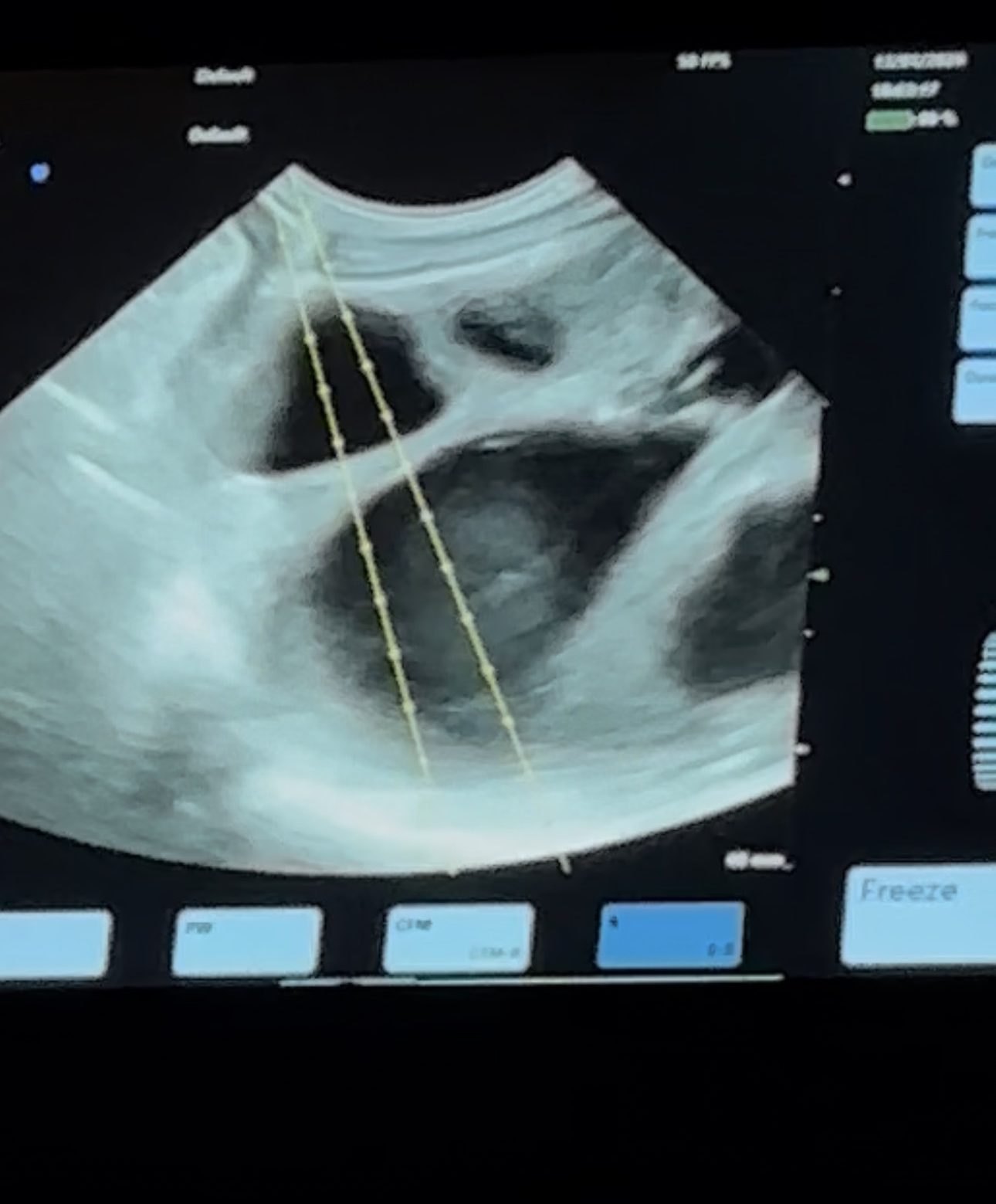
ICSI is an advanced form of in vitro embryo production that functions similarly to human IVF. Instead of inseminating a mare and allowing fertilization to occur naturally inside the reproductive tract, fertilization happens inside a laboratory. The first step is ovum pickup (OPU). Using ultrasound guidance, a needle is passed through the vaginal wall and into the mare’s ovarian follicles to collect the fluid and immature eggs inside each follicle.
Unlike traditional breeding, this means the mare does not need to carry a pregnancy or even become involved beyond providing eggs. Because mares continue developing follicles throughout the breeding season, OPU can be repeated regularly in specialized programs.
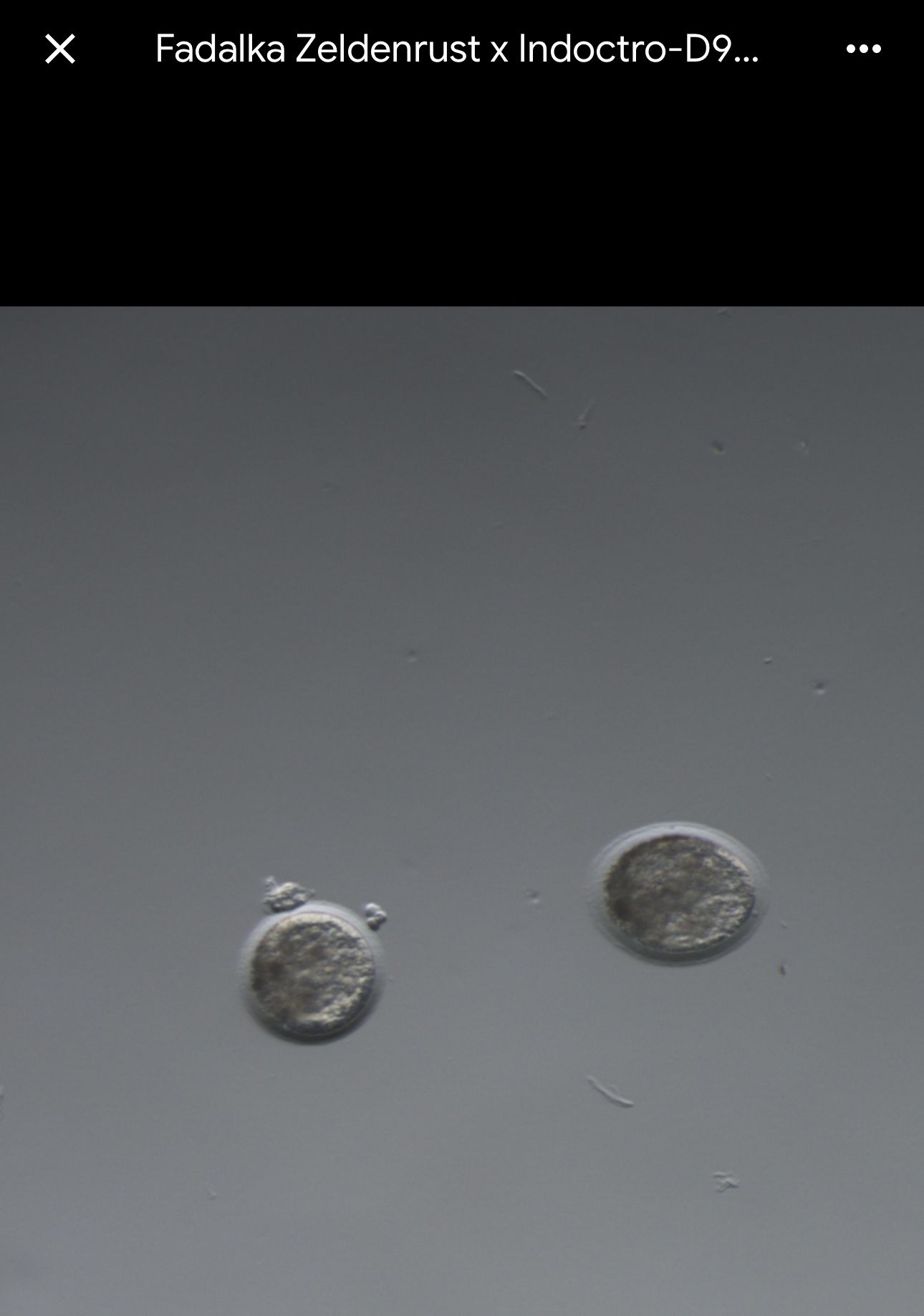
The collected eggs are placed into a maturation medium containing nutrients, hormones, and other factors needed for development. After approximately 20–24 hours, mature eggs can be fertilized. During ICSI, a single sperm cell is selected under a microscope and injected directly into the egg. This allows breeders to use extremely limited semen supplies, including valuable frozen semen that may otherwise be difficult to utilize. It also allows one semen dose to potentially create multiple embryos. After fertilization, embryos develop in a laboratory until they reach the blastocyst stage, usually around day 7–9. They can then be transferred into recipient mares or frozen through vitrification for future use.
Modern equine ICSI programs have demonstrated impressive success. In one clinical study involving more than 500 OPU-ICSI procedures, 78% of procedures produced at least one blastocyst, and pregnancy rates following transfer of frozen embryos were approximately 78%.
What this means for the once-in-a-lifetime mare
Possibly the biggest impact of these modern technologies is not only on major breeding operations, it is on everyday horse owners who have one extraordinary mare. Many riders have a “heart horse”, myself included. Traditionally, producing a foal from that mare meant retiring her from competition and accepting the risks associated with pregnancy and foaling. Modern reproductive technology has changed that. Through embryo transfer and ICSI, a mare can continue her athletic career while also producing offspring. A mare that cannot safely carry a pregnancy can still contribute her genetics. Or a mare whose owner refuses to risk it. A limited amount of rare frozen semen can be used more efficiently. One can preserve genetics that once would have disappeared.
These advancements also introduce new questions. If one mare can produce multiple foals per year, and one stallion dose can potentially create multiple embryos, how will breeding economics change? How will people manage genetic diversity? And does increasing our ability to reproduce elite genetics change what we value in a sport horse?
Modern reproductive technology has not just changed how horses are bred- it has changed what is possible in every aspect.
My experience
After extensive research, I chose to do ICSI, and spoke with lots of amazing vets that agreed this was the best method for where I was at, and what I was willing to risk with my mare. The procedure was easy, non invasive, and I was lucky enough to get 3 healthy embryos after our first aspiration. Two are in carrier mares and one is now frozen for later use. I highly recommend Peterson and Smith Advanced Fertility Center, specifically Dr. Melissa Prell. Her expertise was valuable beyond measure, and she guided me through the entire process with no pressure and genuine support.
References
- Claes, A. & Stout, T.A.E. (2022). Success rate in a clinical equine in vitro embryo production program. Theriogenology.
- Galli et al. (2006). Somatic cell nuclear transfer in horses: effect of oocyte morphology, embryo reconstruction method and donor cell type. Reproduction.
- Choi et al. (2016). In Vitro and In Vivo Development of Horse Cloned Embryos Generated with Different Nuclear Donor Cells. PLOS ONE.
- Six Cloned Horses Help Rider Win Prestigious Polo Match | Science | AAAS, http://www.science.org/content/article/six-cloned-horses-help-rider-win-prestigious-polo-match. Accessed 5 Aug. 2026.


